


eriro — Less is More, Held at Altitude
- Andrew C.
- Dec 28, 2025
- 9 min read
Updated: Dec 30, 2025

An Alpine Hideaway Shaped
by Stillness, Craft, and Elemental Beauty
I crossed four countries in a single day to get here, leaving Switzerland at dawn, passing through Liechtenstein and Germany, before entering Austria by late afternoon. Six hours of movement, borders dissolving one after another, until the road finally ended and the only way forward was up. This is where I met with Henning, the general manager at eriro. Then we took a cable car, rose quietly into the snow-covered mountains, followed by a snowmobile cutting through white silence and tree lines. By the time I arrived at eriro, the world below had already faded.
What surprised me most was how immediately it felt like home — not in a nostalgic sense, but in energy, shared among the other guests, the on-site team, and the space itself. There was no grand arrival choreography, no performative welcome. Just warmth, ease, and a sense that everyone here had arrived for the same reason: to slow down. eriro is adults-only, pure and simple, and that clarity shapes everything. Conversations soften. Time stretches. The mountain sets the pace, not the schedule.
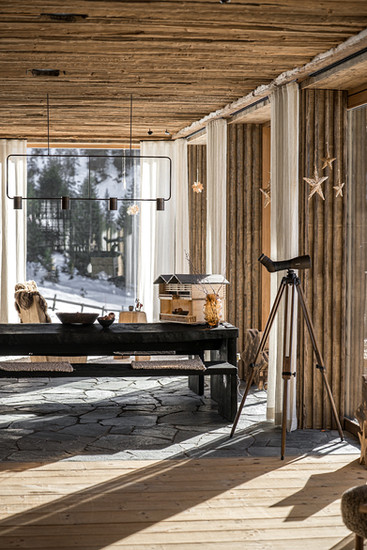
From the moment you step inside, it’s clear this is not a place designed to impress, but one designed to hold. Timber walls carry the patina of time, windows frame the landscape without interruption, and the atmosphere feels lived-in. Luxury here is less about what is added, more about what is removed. And in that restraint, eriro becomes something rare: a place deeply shaped by stillness, local craft, and elemental beauty.







Where Simplicity Becomes a Philosophy
eriro began as a question, one posed quietly, almost privately: about how we might return to a more essential way of living?
Conceptualized by Amelie and Dominik Posch, alongside Christina and Martin Spielmann, eriro is rooted in a deeply personal relationship with this corner of Tyrol. For the Posch family, these mountains are not a destination but an inheritance, a place that shaped their sense of rhythm, restraint, and respect for nature long before hospitality entered the picture.
Dominik Posch describes the vision simply: a journey back to origins. A place where freedom, vitality, and simplicity take precedence over excess; where the archaic and the essential are not romanticised, but lived. The concept was never to create spectacle, but to build alignment: between people, place, and purpose.
The name eriro itself, derived from an Old High German word meaning “the entrance to the forest," offers a quiet clue to the philosophy. This is not about escape, but about return. To nature. To presence. To a pace shaped by daylight, weather, and season rather than agenda.
Every decision flows from that starting point. The location, accessible only by cable car, minimizes traffic and noise. The architecture relies almost entirely on wood sourced from the surrounding forest. The design avoids artificial light wherever possible, allowing darkness, stars, and shadow to remain part of the experience. Even the experiences themselves, from barefoot forest walks and yodeling to craft ateliers and wilderness observation, are less about activity than attentiveness.
“Happiness lies in simplicity,” the founders say. At eriro, that belief becomes tangible: in the way guests move more slowly, speak more softly, and rediscover the unfamiliar pleasure of doing less, more fully.
Perhaps it is what makes eriro feel so unusually grounded, as if it has always belonged exactly where it stands.


Architecture That Listens and Ages With the Mountain
Designed by architect Martin Gruber, eriro’s architecture does not attempt to impress the mountain; it responds to it. The building feels less like something quietly shaped by the landscape, guided by altitude, weather, and silence rather than ego.
Constructed from locally sourced wood and stone, the structure mirrors the palette of the surrounding forests and peaks. Timber beams carry visible grain and variation; stone surfaces retain their rawness rather than being polished away. Nothing here aims for instant perfection. In fact, the building is designed to age, deliberately so. Spruce floors will darken under years of boots and sunlight. Wooden walls will deepen in tone. The façade will weather, soften, and absorb time, allowing eriro to evolve alongside the mountain rather than remain frozen in a single aesthetic moment.
Inside, the atmosphere is warm, elemental, and grounded. Rough timber ceilings meet wide-plank floors; wool-lined surfaces soften sound and light. Large panoramic windows are not decorative gestures but framing devices, pulling snowfields, forests, and shifting skies directly into the rooms. There are no televisions, by design. Here, nature becomes the only screen that matters.
Your eyes adjust. Your pace slows. The imagery from our stay captures this beautifully: morning light stretching across wooden floors, deep alpine shadows dissolving into snow-bright horizons, interiors that never compete with what lies beyond the glass.
Small yet deliberate details reinforce this philosophy. Stone lamps are carved with sculptural restraint. Wool walls absorb acoustics while adding tactile warmth. Custom wooden furniture feels crafted rather than designed. Even the bathrooms speak this language, most memorably through the driftwood faucet and hand-carved wooden bathtubs, where warm water meets alpine silence, and steam rises as the landscape holds still.
This is architecture that listens, and design that belongs.
Not static. Not pristine.
But quietly alive.


A Place Apart — In Every Sense
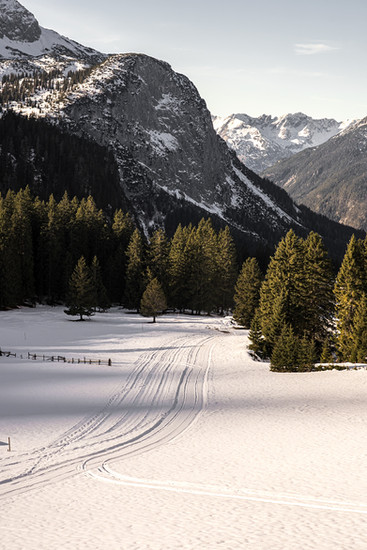
At eriro, exclusivity is not a marketing term; it is a reality. Being the sole hotel on the mountain reshapes how winter unfolds. Guests step directly from warmth into snow, carving the first tracks of the day across nearly 30 kilometres of pistes long before the rest of the region awakens.
The skiing is generous and varied, wide, tree-lined runs ideal for relaxed cruising, with access to deeper snow and more technical terrain nearby. Yet what defines eriro is not how much you can do, but how unpressured everything feels.
Skiing is optional. So is everything else.
Days take shape organically, guided by light, weather, and appetite rather than itinerary. Snowshoeing, ski touring, full-moon walks, and quiet hikes through untouched alpine trails appear as invitations, not obligations. Even moments of stillness — watching clouds gather over the Zugspitze, listening to the muffled quiet after fresh snowfall, counting shooting stars from the balcony — feel like part of the lived-in experience.
I found myself lingering longer between each moment, thought, and movement: standing still instead of rushing, listening instead of filling silence. It’s an anti-brain-rot practice and a rare sensation in mountain destinations: a winter lived from within, not consumed from the outside.



Living Within the Mountain’s Rhythm
With just nine suites, accommodation at eriro feels deeply personal. Each room is conceived as a place of retreat, quiet, cocooning, and subtly generous in scale. Materials remain consistent throughout: timber, wool, stone, and soft textiles that absorb sound and light. Windows are extensive, yet the rooms themselves feel protected and sheltered.
Suites are intentionally designed without televisions, and even WIFI is available only upon request. Instead, guests are offered simpler comforts: woolen socks, a record player and wireless speaker, a thoughtfully curated tea and coffee bar, and detailed guides that acknowledge the surrounding wildlife and mountain living. It’s an approach that encourages presence rather than distraction.
Our favorite, the Himil rooftop loft suite, sits at the very top of eriro, far removed from the lights of the valley below. Facing southwest, floor-to-ceiling glass opens onto an uninterrupted horizon of peaks, forests, and alpine meadows. During our stay, snow clouds thickened the sky before clearing into nights so sharp and star-filled they felt almost touchable. Not to mention the countless shooting stars that turn stargazing into a ritual.
Spanning over 2,000 square feet, Himil offers two bedrooms, a private sauna, an open fireplace, freestanding wooden bathtubs, generous balconies, and spaces that invite long, unstructured hours. It’s a suite that doesn’t demand attention, yet leaves a lasting impression shaped by light, silence, and scale.





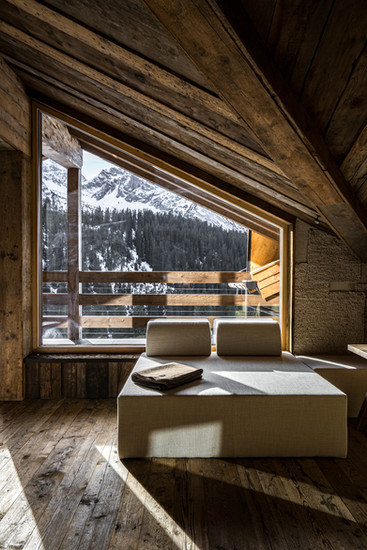


Beyond Himil, eriro’s remaining suites carry the same elemental language, but each one frames the mountain differently. Some lean closer to the forest line, where mornings feel hushed and private; others open toward alpine pastures, with longer horizons and a stronger sense of altitude. The layouts shift subtly, not to create hierarchy, but to offer different ways of living within the landscape. What stays consistent is the feeling that every room is designed as a shelter rather than a showcase, a space that makes you want to stay longer, speak less, and let the day flow without negotiating it.


Home to Intimate Tables, Not Timetables
Meals at eriro are thoughtful, well-executed, unhurried, and deeply rooted in place. There are no menus. Instead, Head Chef Alexander Thoss leads guests through a daily culinary narrative shaped by seasonality, preservation, and fire.
After spending the summer months foraging across the Tyrolean Alps, the kitchen preserves more than 3,000 jars each year: larch tips, fermented apple pulp, salt-aged mushrooms, and koji-matured fish bones — ensuring that winter dining remains expressive, layered, and alive.
Dinner strikes a careful balance between refined culinary standards and Alpine creativity. eriro’s cuisine honors Tyrolean traditions while remaining fluid and contemporary, evolving continuously with the seasons. Depending on the day, the experience may unfold as a multi-course tasting journey or as open-fire barbecue feasts.
Courses arrive when they are ready, guided by intuition rather than schedule. Fire-cooked pork chops, seasoned Faschiertes, meatloaf paired with leeks, and other preparations speak to an alpine heritage that feels lived-in rather than nostalgic — familiar, yet reinterpreted with clarity and restraint.
The wine selection mirrors this philosophy with a handpicked collection of natural and biodynamic bottles, sourced largely from the region and curated in harmony with both the food and the altitude.
Dining here is not an extravagant event, but a heartwarming ritual — one that gathers people, slows time, and quietly anchors the day.


.
Wellness Without Excess
eriro’s 24-hour spa is less about indulgence than restoration. Open at all hours, it allows guests to follow their own rhythm rather than a prescribed schedule or the rush to fit wellness around meals. Wellness here is not positioned as a retreat from the mountain — it is a continuation of it.
Pools appear quietly, carved into stone and timber, their surfaces mirroring slow-moving clouds and snow-bright skies. Each pool has its own character: warm immersion pools for lingering, a Japanese onsen-like basin clad in wood that sharpens the senses, and an indoor infinity pool that draws the alpine panorama directly into view.
Saunas are varied and intentionally contrasting. A classic Finnish sauna builds clean, grounding heat from local wood. A spruce-needle sauna releases a resinous alpine scent that feels almost medicinal. The warmth never overwhelms; it encourages patience and presence.
One of the most distinctive spaces is the straw-lined infrared room — tactile, hushed, and unexpectedly intimate. Woven straw walls soften acoustics and filter light, creating an atmosphere that feels both archaic and quietly futuristic. Infrared therapy works gently beneath the surface, loosening muscles without intensity. Alpine soundscapes and slow visual projections turn the room into a meditative cocoon.
There are no prescribed circuits. Guests drift from heat to cold, from water to rest, from interior to exterior, guided by instinct rather than instruction. Daybeds wrapped in wool rest beside raw boulders that feel as though they were always meant to be there. Wellness is not about escape; it is about alignment with the body, with the mountain, with time moving at its own pace.


An All-Inclusive Way of Living
At eriro, all-inclusive is not a package; it is a state of mind. A quiet agreement between guest and place that nothing needs to be managed, measured, or second-guessed.
Meals, drinks, mountain access, spa, equipment, and movement are simply part of the rhythm. You eat when you are hungry. You move when the weather invites it. You rest when the mountain slows you down.
Nothing feels transactional. Nothing feels timed. Nothing asks you to decide.
In winter, ski-in, ski-out access places guests onto the slopes before the region fully awakens. Guided touring, snowshoe walks, ice bathing, and heli-skiing excursions to Lech feel less like activities than natural extensions of the landscape.
In summer, the pace turns inward: long walks, cycling through alpine meadows, foraging excursions, and time spent in the Hantwerc Atelier — shaping clay, carving wood, painting without outcome or pressure.
For groups, eriro can be reserved in its entirety, transforming the hideaway into a private alpine home. In that context, the philosophy becomes clearest of all: not hospitality delivered, but life temporarily simplified.


The Essence of eriro
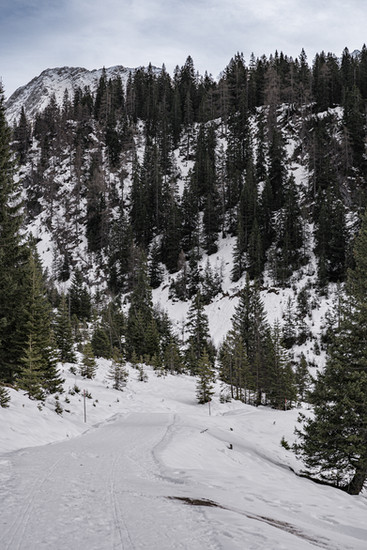
In a world increasingly defined by noise and acceleration, eriro offers something quietly radical: stillness, space, and time.
It is luxury stripped of performance: rare, elemental, and deeply real.
As someone who has experienced and reviewed some of the world’s most remarkable properties, I can say without hesitation that eriro is one of the most unique stays we have ever featured.
Not because it tries to be different, but because it doesn’t try at all. Where others perform, eriro listens to its origins. Where many chase attention, this place cultivates presence.
Here, less truly becomes more.


